


Getting started with the van conversion
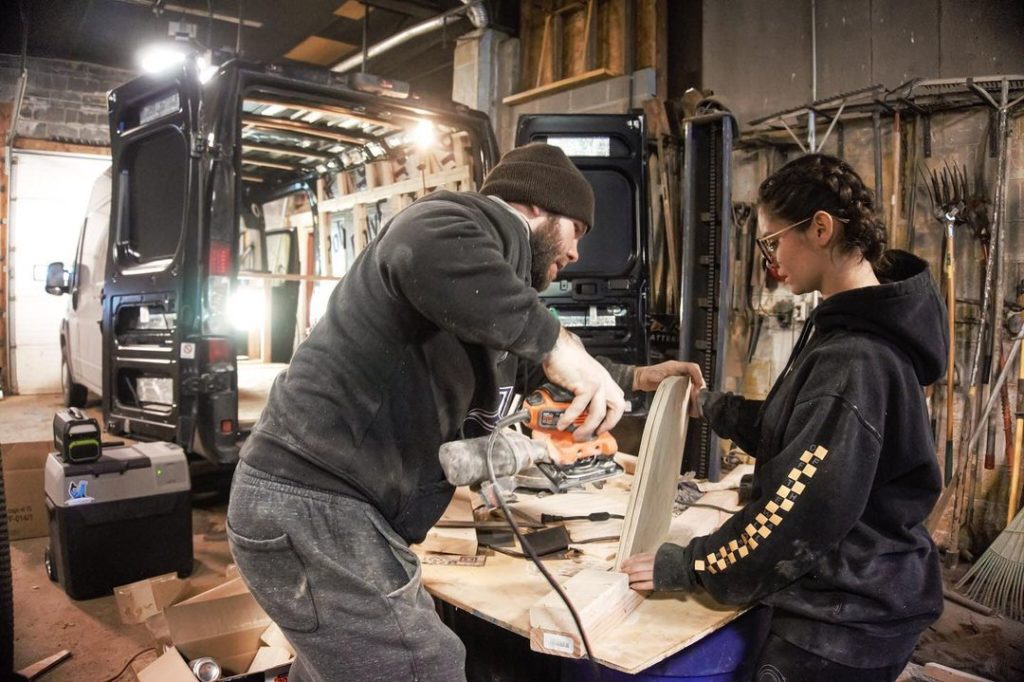
After both the interior and exterior of the vehicle have been prepped for the build, and you are done taking care of any unwanted rust that might cause issues in the future, it’s time to get to work.
Now would be the time to address any exterior upgrades and installations (before getting started on the interior).
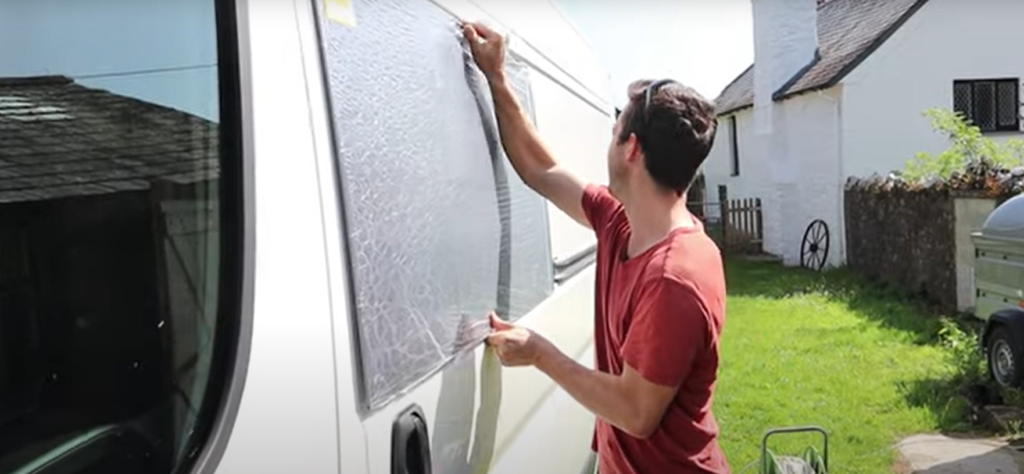
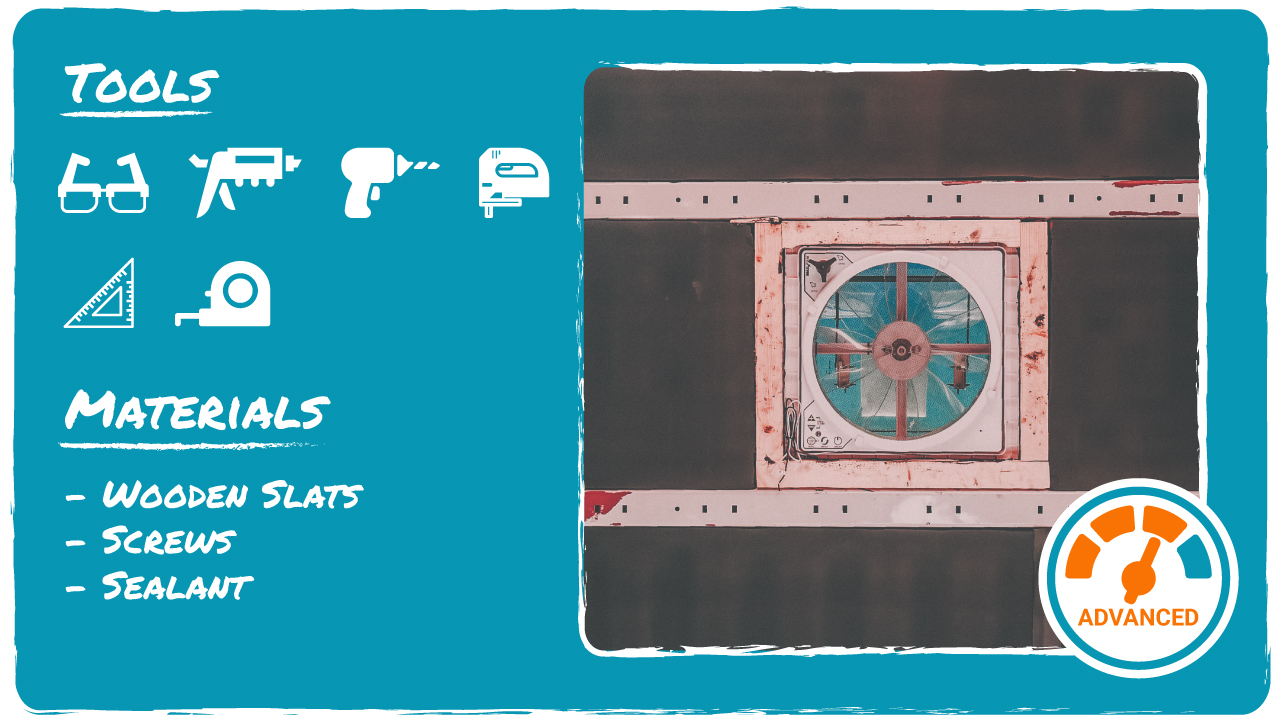
For most, the bare minimum will be installing a rooftop fan for ventilation within the van. Another common upgrade is a window to assist with ventilation and to bring in some natural light.
Solar Panels & Roof Racks
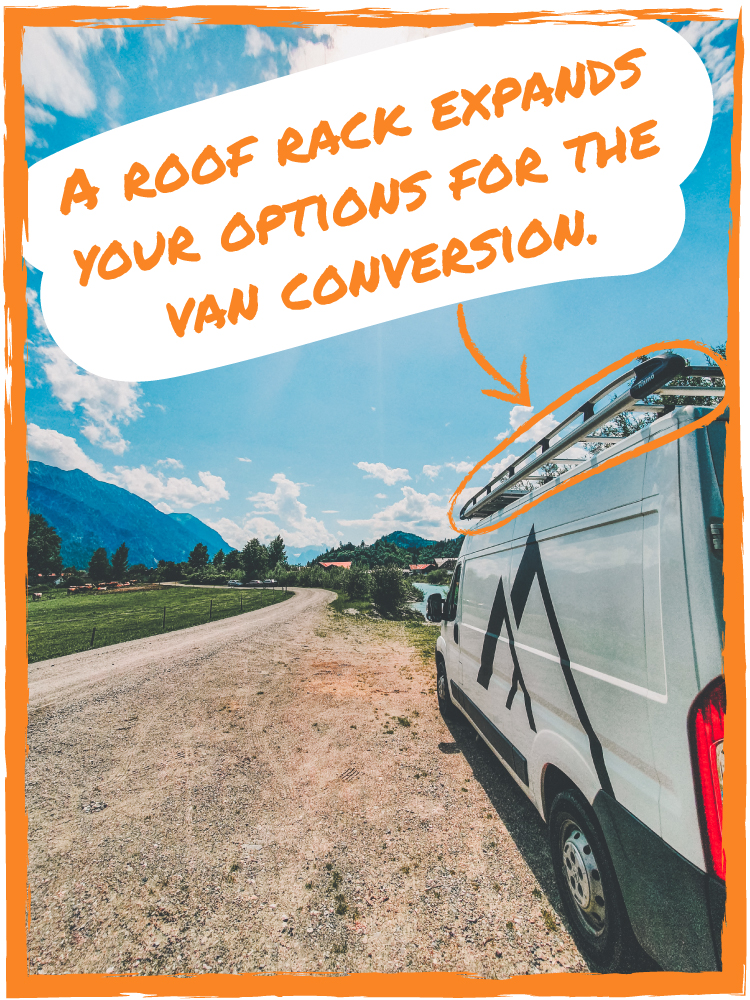
Working around the position of any rooftop fans, now is the time to consider the different mounting options for solar panels if you plan to have them in your build.
Either your panels will be secured directly to the roof, mounted onto a roof rack or rail system. A popular option is using extra strong VHB-tape to avoid drilling additional holes in the roof, or making use of the factory mounting points that some vans have.
The first step will be figuring out what size and how large of a panel you’ll need, and then designing a mounting system or roof rack around that and your fan.
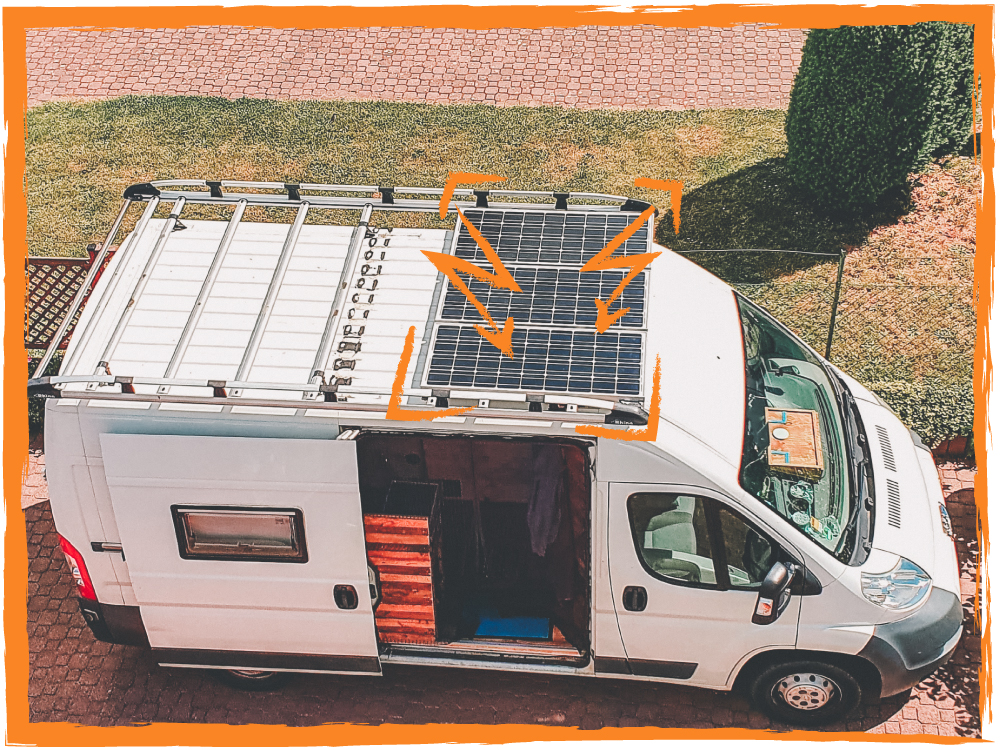
More specific details about setting up solar are available throughout the course in the Solar Electrical System and the different Build Tutorials.
Other Popular Exterior Upgrades
- Light Bars
- New Tires and Rims
- Bike / Surfboard / Kayak Racks
- Awning
Rooftop Terrace

Photo by Mow Liebig
A very popular add on for a self-built van is a roof terrace. who wouldn't want to relax on the roof of the van in summer and enjoy the view of the sea or the beautiful nature?
To build a roof terrace you don't need much more than a few deck boards and a day's time.
The work is definitely worth it.
Resources
Expert Tips
Things we wish we knew before we started building our van. (common mistakes, money saving tips, and expert advice).
Dust, dirt, grime, and unidentifiable crusty stuff is to be expected on and in any second-hand rig. Get a decent household cleaner and some scouring pads and go to town on it. Rus thought is the worst thing to find on your van and needs treating immediately, otherwise it will spread and become an even larger problem. A mini or spot welder will help with melding plates and minor repairs but if a professional is required to tidy up a rust problem, pay one. Especially on the chassis, which is the basis for your whole home, the foundation of your house on wheels. Rust doesn’t have to be a deal breaker on a used vehicle, depending on the location and amount, but if you see any rust, treat it immediately.
The colour of a vehicle should not be a dealbreaker. Any unsightly spots, streaks or pock marks on the exterior panels can be painted over, the same applies to covering up old signage from the vans previous life. Painting a van is a lengthy process with a couple of steps so read up on procedure before you break out the brushes. Hours of painting, drying, and sanding and multiple coats of paint are required to create a smooth, hard-wearing finish. If you are preparing to paint your vehicle, get ready for the associated fumes and be sure to ventilate the area. Consider asking friends for help, especially when it comes to the roof. It is a tiresome job, but the reward is worth it and your home on wheels will look fresh and almost brand new!
This tip is not or everyone, but Bill from The Backwards Van told us about examining the condition of the 1992 Promaster he’d just purchased for less than 2 months rent. “Its has dings, it has dents, it has a couple of exterior problems all right. But unless the defect affects the structure of the van in any way, it’s not a priority right now. My money is better spent improving the interior, the part I live in. Besides a little character, the minor damage might make a good security device, maybe it will work as a deterrent for future thieves. And besides, who isn’t a little dinged up by life by the time they hit 25?!” Indeed, driving an older, less flashy, and unnoticeable van might be a valuable tool for a city stealthier.
It stands to reason you’ll take a mechanic along to view and test drive your rig before you part with any cash but if you don’t know a mechanic, or have trouble finding or paying one, ask the AA! No, not your sponsor, but depending on where you live, the roadside Automobile Association or similar company may offer a service in which an inspection is conducted on your behalf. Failing that, have a thorough list of questions for the seller, but don’t be put off by minor damage. Vans are designed to be driven, and a lot of the exteriors ‘fugliness’ can be either buffed out, painted over, or returned to its former glory via a little panel beating.
Forum Discussions
HenryCooper posted on 2018/03/05 About the The Build category
The Build‘The Build’ category is intended for (but is not limited to) asking questions, getting feedback, sharing tips & tricks, or anything about the conversions and…pauledbates posted on 2026/03/21 Patching Truma Combi Exhaust Hole
The BuildHi, I’m removing a Truma Combi eco from our van and looking for ideas on how to plug the hole in the side of the…1995eirik posted on 2026/02/07 Warning! if you write to vanlife that you want to cancel your subscription they will ignore you
The BuildWARNING IF YOU WRITE TO VANLIFE THAT YOU WANT TO CANCEL YOUR SUBSCRIPTION THEY WILL IGNORE YOU FOR WHILE TO GET YOU CHARGED LONG AFTER…1995eirik posted on 2026/02/01 WARNING! Don't trust this product
The BuildSCAM ALERT! I am really disappointed in this produict. I sent a email to them that I want to cancel my subscription more than 2…
Gallery
Content submitted by members of Van Life Academy after completing this lesson.